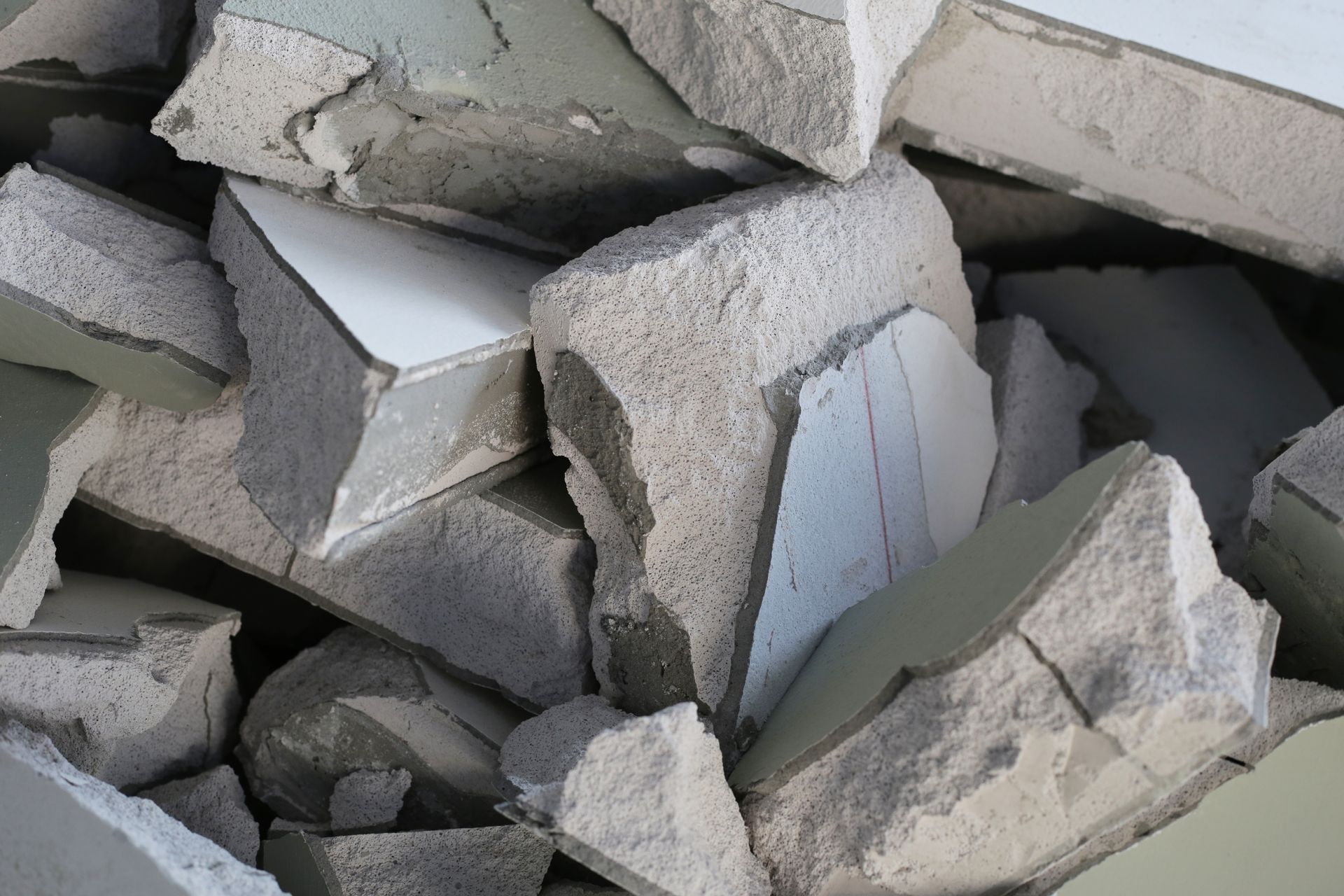
Damaged Slabs Broken and Hauled Away
Concrete Removal in Longview for cracked driveways, failed foundations, and deteriorated slabs requiring replacement
Texas clay soils expand during wet seasons and contract during drought, creating pressure that cracks concrete slabs, driveways, and foundation pads across Longview and Kilgore properties. Redline Demolition removes failed concrete using hydraulic breakers or saw-cut extraction methods, grades the underlying soil to correct drainage issues that contributed to failure, and hauls debris to recycling crushers or disposal sites depending on contamination and aggregate quality. Freeze-thaw cycles during occasional East Texas winter weather further accelerate surface deterioration, and replacement becomes necessary when cracking extends beyond cosmetic surface damage into structural failure that affects load-bearing capacity or creates trip hazards.
The removal process involves cutting the slab into sections small enough for mechanical loading, breaking the concrete with hydraulic equipment to separate it from embedded rebar or wire mesh, and assessing the subgrade for voids or soft spots that require compaction before new concrete placement. Equipment remains on-site throughout the project, eliminating subcontractor delays and allowing immediate response to unexpected conditions like deeper foundations or unknown utility lines encountered during excavation.
Schedule a site review to assess cracking patterns, subgrade conditions, and haul requirements for your concrete removal project..
Why Clay Soils and Freeze-Thaw Cycles Affect Concrete
Longview's expansive clay soils shift as moisture content changes, and concrete slabs poured directly on uncompacted or poorly drained soil develop stress cracks within five to ten years as the ground moves beneath them. Redline Demolition evaluates the subgrade after concrete removal to identify low spots where water accumulates, soft areas that indicate inadequate compaction, and grade slopes that direct runoff toward rather than away from the building, all of which contribute to premature failure and need correction before replacement slabs get poured.
Once removal is complete, you'll see a cleared, graded surface free of concrete debris and ready for soil compaction, drainage correction, or new foundation layout. Recyclable concrete gets separated from mixed waste and routed to crushing facilities where it becomes base material for road projects, reducing disposal costs compared to landfill-only haul routes. The site is left level and accessible for concrete contractors, with any required fill material or compaction completed as part of the removal scope to prevent additional mobilization costs.
Debris separation happens on-site using excavation equipment to isolate steel rebar and wire mesh from concrete aggregate, which improves recycling acceptance rates and avoids contamination fees at processing facilities. Haul coordination occurs in-house rather than through third-party waste brokers, providing predictable disposal costs and eliminating the timeline uncertainty that comes from waiting on container delivery or pickup from external vendors..
What Property Owners Usually Ask
Concrete removal costs and timelines vary based on slab thickness, rebar density, and subgrade conditions, and understanding what the process involves helps property owners in Longview and Kilgore plan replacement construction accurately.
What removal method works best for residential driveways in Longview?
Hydraulic breakers fracture the concrete into manageable pieces for loading onto haul trucks, and saw-cutting creates clean edges where the driveway meets retained sections like garage aprons or sidewalks, preventing damage to concrete that remains in place.
How does clay soil affect concrete replacement planning?
Expansive clay requires proper compaction and drainage correction after removal to prevent the new slab from failing due to the same soil movement that damaged the original concrete, and grading adjustments often involve adding crushed stone base or installing drainage channels along the slab perimeter.
What happens to removed concrete after it leaves the site in Longview?
Concrete without contamination gets hauled to recycling crushers where it becomes aggregate base for road construction or new concrete mix, while sections with asphalt overlay, paint, or chemical spills go to landfill disposal under separate waste streams.
How long does concrete removal take for a standard residential driveway?
Breaking, loading, and hauling a typical two-car driveway spans one to two days depending on thickness and rebar density, with subgrade assessment and correction adding another half-day if drainage issues or soft soil get discovered during excavation.
What site access requirements affect concrete removal equipment in East Texas?
Excavators and skid-steers need at least eight feet of clearance width and stable ground to avoid rutting in clay soils, and overhead power lines or mature tree canopies may require smaller equipment or hand-loading methods that extend the project timeline.
Redline Demolition removes failed concrete slabs and coordinates debris recycling with in-house equipment and haul logistics, preparing Longview and Kilgore properties for replacement construction without subcontractor delays. Arrange an evaluation to review your concrete's condition, subgrade drainage, and haul route options specific to your property location.