Older Homes Removed for New Construction
Residential Demolition in Longview for single-family and multi-unit properties scheduled for teardown and rebuild
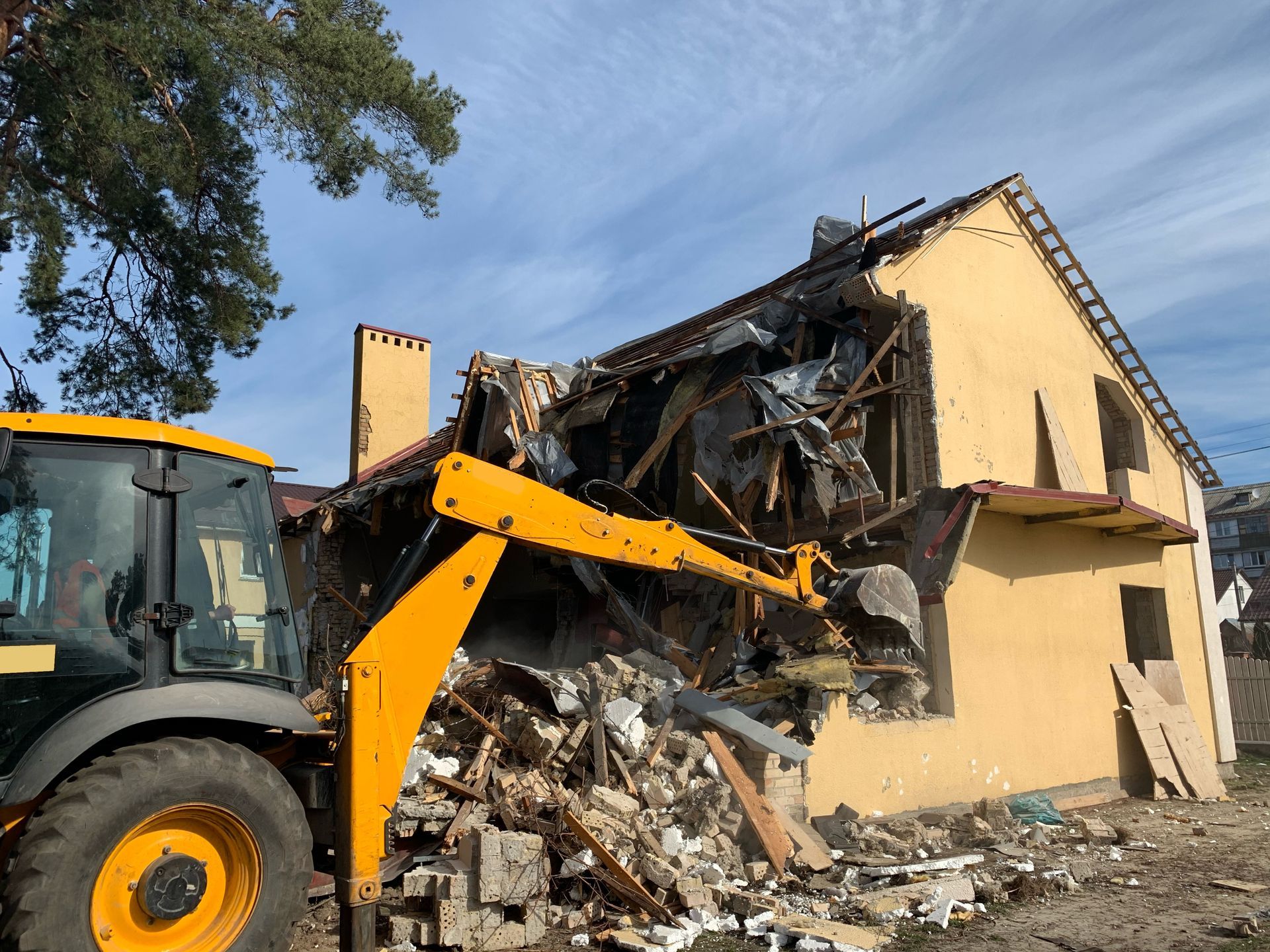
Longview neighborhoods contain housing stock ranging from forty to eighty years old, and when foundation failure, extensive termite damage, or outdated layouts make renovation costs exceed new construction, full structure removal becomes the practical path forward. Redline Demolition removes single-family homes and multi-unit residential structures across Longview, Tyler, and Marshall, handling permit coordination, hazardous material screening, and debris removal in a single workflow. The teardown-rebuild pattern is particularly common in established Longview residential areas where lot values justify new construction but existing structures no longer meet modern standards or buyer expectations.
The process starts with hazmat screening for asbestos insulation, lead-based paint, and other materials typical in homes built before 1980, followed by utility disconnection verification, foundation cutting to grade level, and systematic debris separation that routes wood, metal, and concrete into designated haul streams. In-house permit handling reduces the timeline delays and cost overruns that occur when contractors wait on third-party approvals or incomplete documentation from municipal offices.
Arrange a property assessment to identify hazmat requirements, foundation removal scope, and debris haul logistics for your residential teardown project..
What Proper Residential Teardown Requires
Homes constructed before 1980 often contain asbestos in pipe wrap, popcorn ceilings, or floor tile adhesive, and lead-based paint on trim and siding, requiring certified testing and abatement before demolition equipment touches the structure. Redline Demolition coordinates hazmat screening as part of the initial site evaluation, ensuring that any regulated materials get handled through licensed abatement contractors before the main teardown begins, which prevents work stoppages and regulatory fines mid-project.
After the structure is removed, the site is graded to match surrounding properties, with the foundation cut to at least twelve inches below finished grade to allow new construction without obstruction. Debris staging keeps recyclable metal separated from mixed waste, and wood framing gets routed to landfill loads while concrete foundation material moves to crushing facilities. Property owners receive a cleared, level building pad ready for surveying, soil testing, and new foundation layout without additional cleanup contracts or coordination delays.
Foundation removal depth varies based on new construction plans—slab-on-grade builds require less excavation than pier-and-beam foundations, and any underground utility lines or septic systems need mapping before heavy equipment begins cutting concrete. Permit timelines in Longview typically span ten to fifteen business days from application to approval, and scheduling demolition during dry weather prevents clay soil rutting that complicates site access for new construction crews..
Answers to Frequent Service Questions
Residential demolition projects in East Texas involve specific steps to address older building materials, foundation types, and site conditions common in Longview neighborhoods, and understanding what happens at each stage helps homeowners plan replacement construction timelines.
What hazmat screening involves for homes built before 1980?
Testing crews collect samples from insulation, flooring, ceiling texture, and painted surfaces to identify asbestos and lead content, and if results confirm regulated materials, certified abatement contractors remove those components before general demolition begins.
How is the foundation removed during residential teardown in Longview?
Hydraulic breakers or concrete saws cut the foundation into manageable sections, which get loaded onto haul trucks and transported to recycling crushers, with excavation continuing to twelve inches or more below grade depending on new construction requirements.
What happens to utilities before demolition starts?
Gas, electric, water, and sewer lines must be disconnected and capped by licensed utility providers, and septic systems require pumping and collapse to prevent groundwater contamination during equipment operation on the site.
How long does residential demolition take from permit to cleared site?
Permit approval in Longview typically requires ten to fifteen days, hazmat abatement adds three to seven days if regulated materials are present, and the physical teardown and debris removal span two to five days depending on structure size and foundation complexity.
What site conditions affect demolition costs in East Texas?
Proximity to neighboring homes, overhead power lines, mature trees that limit equipment access, and clay soils that require tracked machinery instead of wheeled loaders all influence equipment selection and labor hours required to complete the teardown safely.
Redline Demolition handles residential structure removal from hazmat screening through final grading, coordinating permits and debris removal to prepare Longview properties for new construction. Contact our team to review your home's age, materials, and site access conditions for accurate project planning.