Job Sites Cleared for the Next Trade
Debris Removal in Longview for demolition waste, construction scrap, and mixed material cleanout after teardown or renovation
Construction and demolition projects generate mixed loads of wood framing, drywall, metal components, concrete fragments, and packaging materials that accumulate faster than standard waste collection handles, and leaving debris on-site blocks contractor movement and creates safety hazards during active construction phases. Redline Demolition clears demolition waste and construction debris across Longview, Tyler, and Marshall, sorting materials into recyclable streams versus disposal loads and coordinating haul schedules that match project timelines rather than forcing work around external waste vendor availability. Single-source removal eliminates the coordination delays and cost uncertainty that occur when contractors manage multiple debris haulers or wait on container swaps during high-volume teardown phases.
The process involves container staging at designated locations that maintain site access for equipment and material delivery, selective sorting that separates metal for scrap buyers, concrete for recycling crushers, and mixed waste for landfill disposal, and coordinating haul routes through East Texas to permitted facilities based on material type. Daily cleanout schedules keep debris from accumulating to levels that obstruct workflow, while final cleanout removes all remaining material and prepares the site for inspection or occupancy.
Request a debris assessment to determine container sizing, haul frequency, and sorting requirements for your Longview construction or demolition project..
What Selective Sorting Accomplishes Long-Term
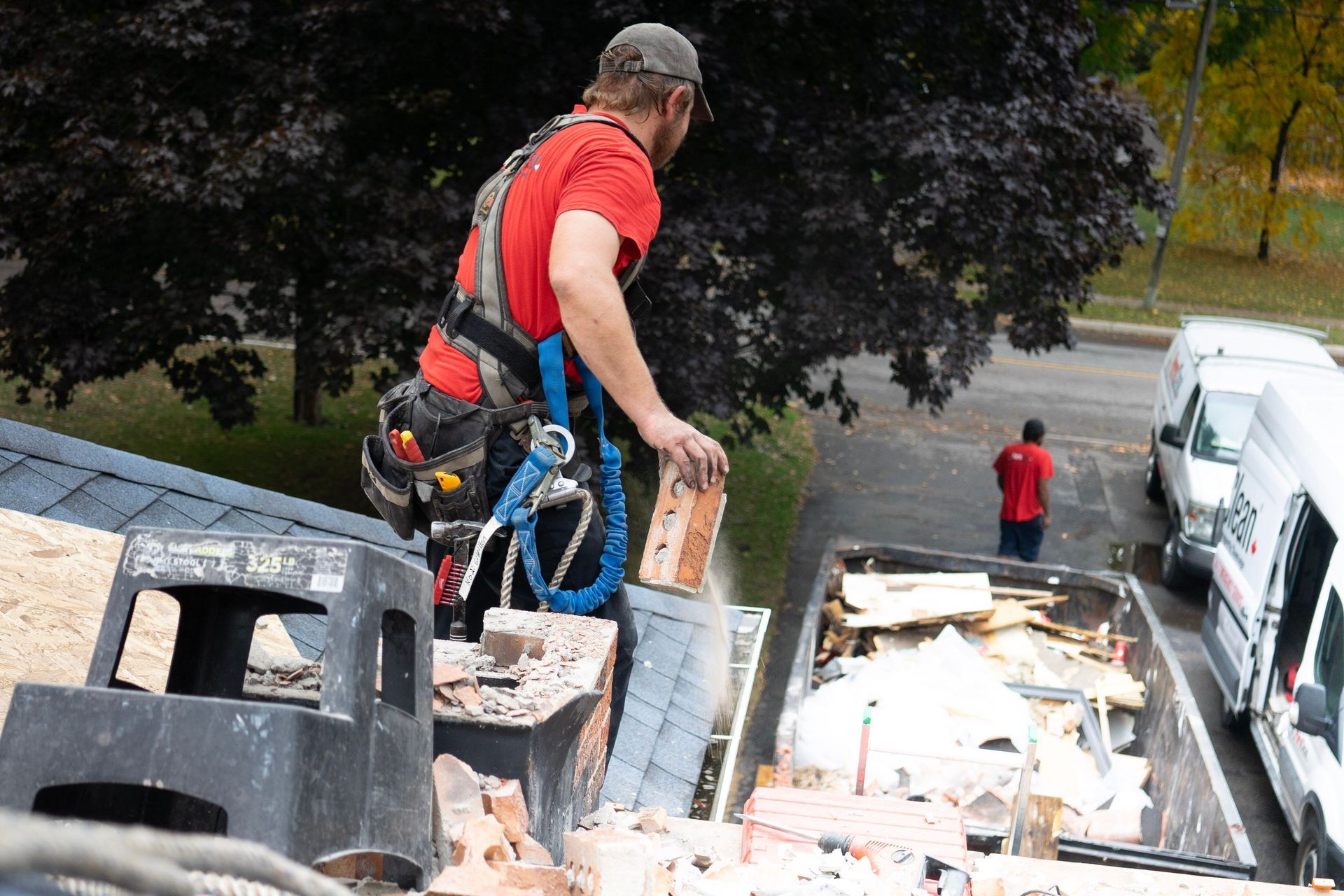
Separating debris by material type reduces disposal costs by routing recyclable metal, concrete, and clean wood away from mixed waste landfill fees, which run significantly higher per ton in East Texas than recycling facility tipping charges. Redline Demolition coordinates sorting on-site or at the point of loading, keeping steel studs, copper piping, aluminum fixtures, and rebar isolated from drywall, insulation, and treated lumber that cannot be recycled under current facility acceptance standards.
Once debris is removed, the site becomes immediately accessible for the next construction phase without requiring additional cleanup contracts or coordination with separate waste vendors. You'll notice clear pathways for material delivery, unobstructed work areas for trade contractors, and staging zones free of accumulated scrap that previously blocked equipment movement. Predictable disposal costs result from known haul routes and facility fees rather than variable pricing that occurs when debris composition changes mid-project or contamination requires reclassification at the landfill scale.
Container staging adapts to site constraints, with placement that avoids blocking driveways, fire lanes, or delivery zones while remaining accessible for mechanical loading and truck positioning. Haul schedules align with construction milestones rather than fixed weekly pickups, allowing debris removal immediately after major demolition phases or at project completion without paying for underutilized containers sitting idle between work phases..
Questions Before Starting Your Project
Debris removal logistics affect construction timelines and budgets, and understanding how material sorting, haul frequency, and container sizing work helps contractors and property owners in Longview plan cleanout workflows that keep projects moving.
What materials get separated during debris removal in Longview?
Metal components like steel studs, copper wire, and aluminum siding go to scrap buyers, concrete and asphalt get hauled to recycling crushers, clean dimensional lumber moves to wood recycling, and mixed loads containing drywall, insulation, or treated wood go to landfill disposal under separate waste streams.
How does haul frequency affect construction project timelines?
Daily debris removal prevents material accumulation that blocks site access and creates safety hazards, while final-only cleanout works for smaller projects where debris volume remains manageable and doesn't interfere with ongoing trade work or equipment operation.
What container sizes work best for residential versus commercial demolition?
Residential teardowns typically use twenty-yard containers that fit standard driveway widths, while commercial projects require thirty or forty-yard containers or multiple units staged in phases to handle higher debris volumes without exceeding weight limits for safe transport.
How are disposal costs calculated for mixed construction debris in East Texas?
Landfill fees charge by ton based on waste classification, with mixed construction debris rates higher than source-separated recyclables, and haul costs depend on distance to the nearest permitted facility along Longview, Tyler, or Marshall routes.
What site conditions affect container placement and debris loading?
Overhead power lines limit crane or mechanical loading equipment, soft ground requires plywood matting to prevent container sinking, and narrow access roads or residential streets may restrict truck sizes and require smaller containers with more frequent hauls.
Redline Demolition provides single-source debris removal with predictable costs and haul schedules tailored to Longview construction timelines, eliminating coordination delays from managing multiple waste vendors. Set up a project consultation to review debris volume estimates, sorting requirements, and container logistics for your demolition or renovation work.